
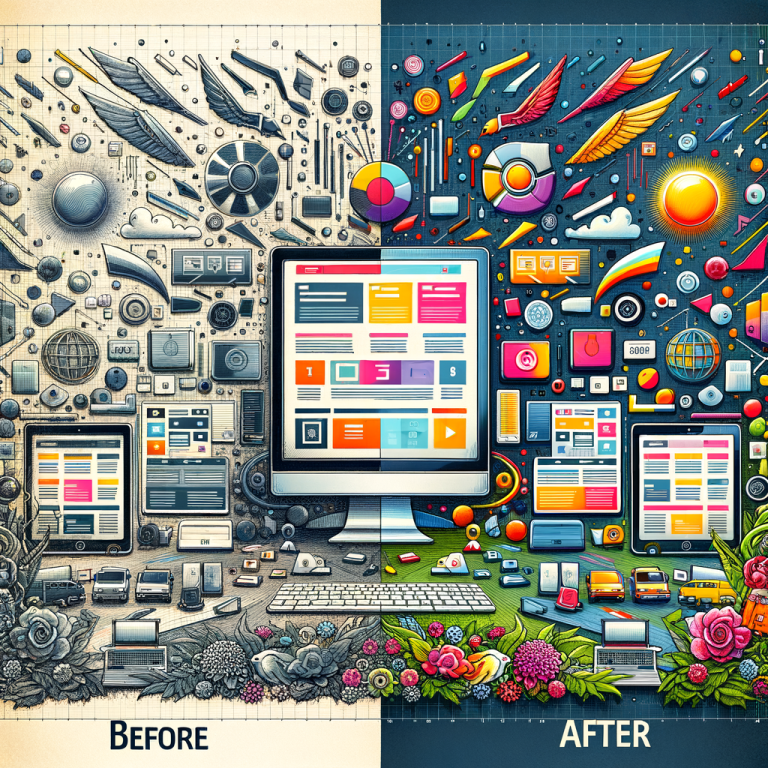
How a Website Redesign Can Improve Your Business Online Presence
In today’s digital landscape, your website is often the first impression potential customers have of your business. With more consumers turning to the internet to find products and services, a strong online presence is crucial. If your website hasn’t changed much over the years, it may be time to consider a website redesign. But why does this matter? The answer lies in the many website redesign benefits that can significantly elevate your business.
Understanding the Need for a Redesign
Web design trends change rapidly, and what was cutting-edge five years ago might look outdated today. If your website feels clunky, hard to navigate, or simply uninspiring, potential customers may bounce away to competitors. A website redesign can help bridge the gap between your business goals and customer expectations, creating a more positive user experience.
Signs Your Website Needs a Redesign
- Outdated Aesthetics: If your site looks like it belongs in the early 2000s, it’s time for a change.
- Poor Mobile Experience: With significant traffic coming from mobile devices, a responsive design is essential.
- High Bounce Rates: If visitors leave your site within seconds, there may be an issue with user experience or design.
- Slow Load Times: Websites taking too long to load can frustrate users, driving them away.
Recognizing these warning signs is the first step in improving your business website.
The Benefits of a Modern Website Design for Business
Making the leap into a website redesign may seem daunting, but the benefits are substantial. Let’s delve into what you stand to gain.
1. Enhanced User Experience
User experience (UX) is the backbone of any successful website. An updated design allows you to create a more intuitive navigation system, making it easier for visitors to find what they’re looking for. A smooth UX encourages longer site visits and can lead to increased conversions.
For example, landscaping businesses often rely on portfolios to showcase their work. A redesigned website with optimized image galleries lets potential clients browse through previous projects with ease, thereby increasing the likelihood of inquiries.
2. Improved SEO Ranking
Search engine optimization (SEO) is essential for driving organic traffic to your site. A website redesign often includes optimizing content and structure according to current best practices. Factors like faster load times, mobile-friendliness, and keyword optimization can substantially affect your SEO ranking.
For instance, an e-commerce site updating its design might also focus on improving its URLs, alt text for images, and site hierarchy—all contributing to better visibility on search engines like Google.
3. Brand Consistency
As your business evolves, so does your brand identity. A redesign offers the perfect opportunity to align your website design with your current brand message. This might include a new color palette, logo updates, or typography adjustments that communicate your brand’s values.
Think of your website as a storefront. Just as a physical store reflects your brand, so should your online presence. By revamping your design, you reinforce brand consistency and create a memorable impression that resonates with users.
4. Better Conversion Rates
A modern website is designed with conversions in mind. Clear calls-to-action (CTAs), user-friendly forms, and engaging content can nudge visitors closer to making a purchase or reaching out for more information. An updated design allows you to test and optimize various elements to see what works best for your audience.
For instance, if you run a service-based business, a redesigned website might feature prominently positioned CTAs for free consultations or quotes. This strategic placement can significantly increase the likelihood that visitors will follow through.
5. Mobile Responsiveness
More than half of all web traffic now comes from mobile devices. Therefore, a mobile-optimized website is no longer optional; it’s a necessity. A responsive web design adapts to different screen sizes, ensuring that your site is functional and visually pleasing on any device.
Consider how crucial this is for restaurants. A mobile-friendly site can make it easy for customers to view menus, make reservations, or find directions—all while on-the-go.
The Process of Redesigning Your Website
Now that you’re convinced of the importance of a website redesign, let’s outline what the process looks like. Understanding the steps can help you navigate your project more effectively.
1. Setting Goals
Start by defining what you aim to achieve with the redesign. Whether it’s boosting sales, enhancing user engagement, or improving your brand image, clear objectives will guide the design process.
2. Conducting Research
Look into your competitors and current design trends. Analyze what works and what doesn’t to inform your design strategy. Tools like Google Analytics can provide insights into user behavior on your current site, helping you identify areas needing improvement.
3. Creating Wireframes
Before jumping into visuals, sketch wireframes to map out your new layout. This step allows you to visualize user pathways and ensure optimal navigation.
4. Designing the Visuals
Once the wireframes are finalized, it’s time to create the visual elements. This is where you choose colors, fonts, and imagery that reflect your brand identity. It’s crucial to maintain a cohesive look across all pages.
5. Development and Testing
The next phase involves coding the new design and content management system. Rigorous testing across different devices and browsers ensures that everything functions seamlessly before you go live.
6. Launch and Monitor
Finally, the redesigned website is launched! But the work isn’t over—you’ll need to monitor analytics to assess performance and user interactions. This data will help refine your site further.
Conclusion
A website redesign is a significant investment, but the benefits can profoundly improve your business’s online presence. By enhancing user experience, SEO ranking, and brand consistency, a modern website design can transform how potential customers interact with your business.
If you’re looking to improve your website and take advantage of these benefits, consider reaching out to Web Design by Kim. As a provider of professional website design, WordPress development, and website redesign services, we’re here to help small businesses like yours thrive in the digital age.
Ready to elevate your website? Visit our contact page to request a quote or a free website audit. Let’s collaborate to create a site that not only looks beautiful but also drives results!